How to Choose SEO Services for Your Business
Choosing SEO services can be challenging when every agency promises better rankings, more website traffic, and business growth. For a small business owner, the real question is not which provider makes the biggest promises. It is which provider understands your goals, explains its strategy clearly, and can demonstrate the value of its work.
The right SEO service provider should help potential customers find your business through relevant search results. That means improving your website’s technical health, creating useful content, understanding customer search behavior, and measuring results that matter to your business.
This guide explains how to choose SEO services, compare agencies and consultants, understand pricing, and identify warning signs before signing a contract.
What Are SEO Services?
Search engine optimization (SEO) services help improve a website’s visibility in unpaid search results. Depending on your business and website, these services may involve technical improvements, keyword research, content optimization, link building, and performance reporting.
Professional SEO services generally include several areas of work.
- Keyword research: Identifying the search terms your potential customers use and understanding what they want to find.
- On-page SEO: Improving page titles, headings, content, internal links, and other page elements.
- Technical SEO: Identifying problems with crawling, indexing, redirects, website structure, and performance.
- Content optimization: Making website pages more useful, relevant, and aligned with user needs.
- Off-page SEO: Earning relevant, trustworthy links and building your website’s reputation.
- Local SEO: Helping eligible local businesses improve their visibility in geographically relevant searches.
- SEO reporting: Monitoring organic search performance, conversions, and progress toward business objectives.
Not every business needs every service immediately. A new website with indexing problems may require technical work first, while an established business might need better service pages or a stronger content strategy.
Why Does Your Business Need SEO Services?
When people search for products or services, they often begin by using a search engine. If your website does not appear for relevant searches, potential customers may discover competing businesses instead.
A suitable SEO strategy can help your business become easier to discover, attract relevant visitors, and provide useful information before a customer contacts you.
For example, a web development company serving small businesses might benefit from informative service pages, useful WordPress guides, and content that answers questions about website maintenance and development costs.
However, more traffic does not automatically mean more sales. SEO should support measurable business objectives, such as qualified inquiries, product purchases, appointment bookings, or phone calls.
How to Choose the Right SEO Service Provider
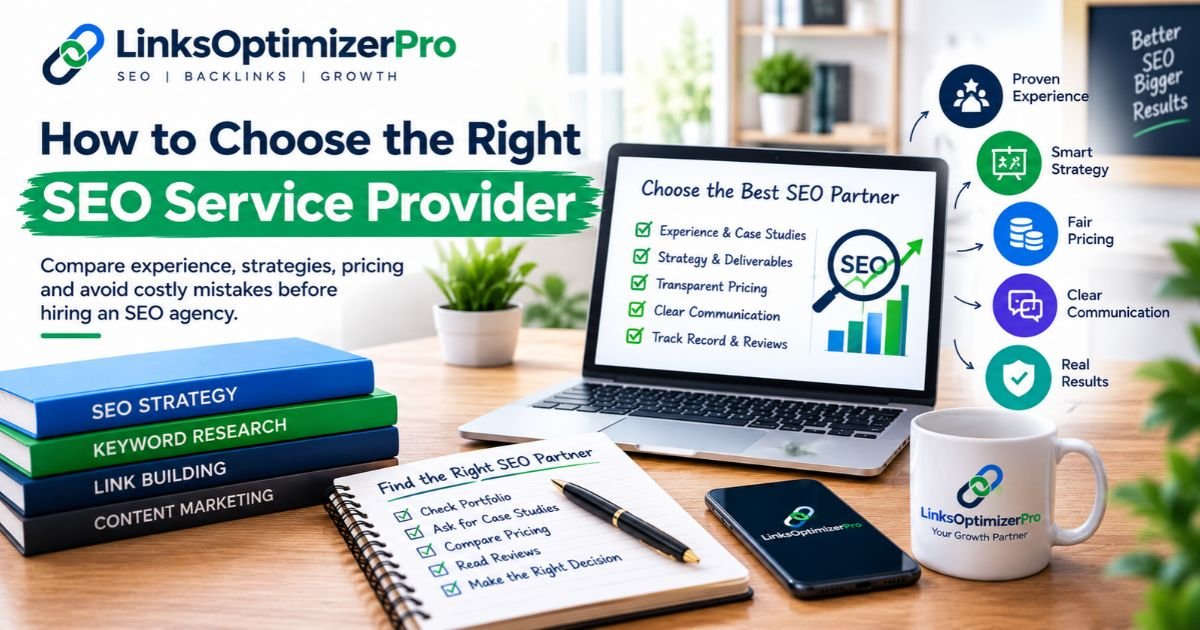
Before hiring an SEO agency or consultant, evaluate the provider’s experience, proposed strategy, communication, and approach to measuring performance.
1. Check Experience and Relevant Case Studies
Look for experience related to your business model, industry, target market, and website platform. An agency working with local service businesses may have different strengths from one specializing in large e-commerce websites.
Ask potential providers to explain previous projects and show relevant evidence. Depending on the project, this might include improvements in organic clicks, qualified leads, conversions, or technical website health.
A case study should explain the starting situation, the work completed, the measurement period, and the results. Ask whether other factors, such as seasonality or changes in advertising, could have influenced the outcome.
Testimonials can provide additional context, but they should not replace a clear explanation of the work performed.
2. Review the SEO Strategy and Deliverables
A trustworthy SEO service provider should want to understand your business before recommending a strategy.
They should ask about your target audience, products or services, competitors, geographical reach, website history, and business objectives.
A proposed strategy should explain:
- Which website problems need attention first.
- Which keywords and search intents are relevant.
- Which pages require improvements or new content.
- Whether technical SEO or link building is necessary.
- What work will be completed each month.
- How progress will be evaluated.
Avoid choosing a provider solely because it offers a large number of backlinks, blog posts, or keywords. The quality and relevance of the work matter more than an arbitrary quantity.
3. Understand Reporting and Communication
SEO requires ongoing evaluation. Before signing a contract, ask how frequently you will receive reports, who will explain the results, and how recommendations will be prioritized.
Useful reporting may include:
- Organic clicks and impressions.
- Search queries and landing-page performance.
- Relevant keyword visibility.
- Qualified leads and conversions.
- Completed technical fixes and content updates.
- Next steps based on the data.
Google Search Console provides information about a website’s performance in Google Search. Google Analytics 4 can help measure what visitors do after arriving on your website, when correctly configured.
A report should explain what the numbers mean for your business, not simply display graphs without context.
4. Look for Ethical SEO Practices
Ask how the provider approaches link building, content creation, and technical optimization. Its recommendations should be explained clearly and should align with applicable search engine guidelines.
Be cautious about services offering bulk, irrelevant backlinks, copied content, or automated tactics without explaining the risks.
Google specifically warns website owners about SEO providers that guarantee first-place rankings or claim special access to Google. No agency can guarantee a particular organic ranking.
You can review Google’s official guidance in its SEO hiring guide.
5. Compare Proposals, Not Just Prices
When comparing SEO agencies for small businesses, make sure you are comparing similar deliverables.
One provider might offer a technical audit and recommendations, while another includes implementation, content updates, and monthly reporting. Their prices cannot be compared fairly without considering the scope of work.
Request a written proposal that identifies responsibilities, expected deliverables, timelines, reporting arrangements, and any additional costs.
What Should an SEO Package Include?
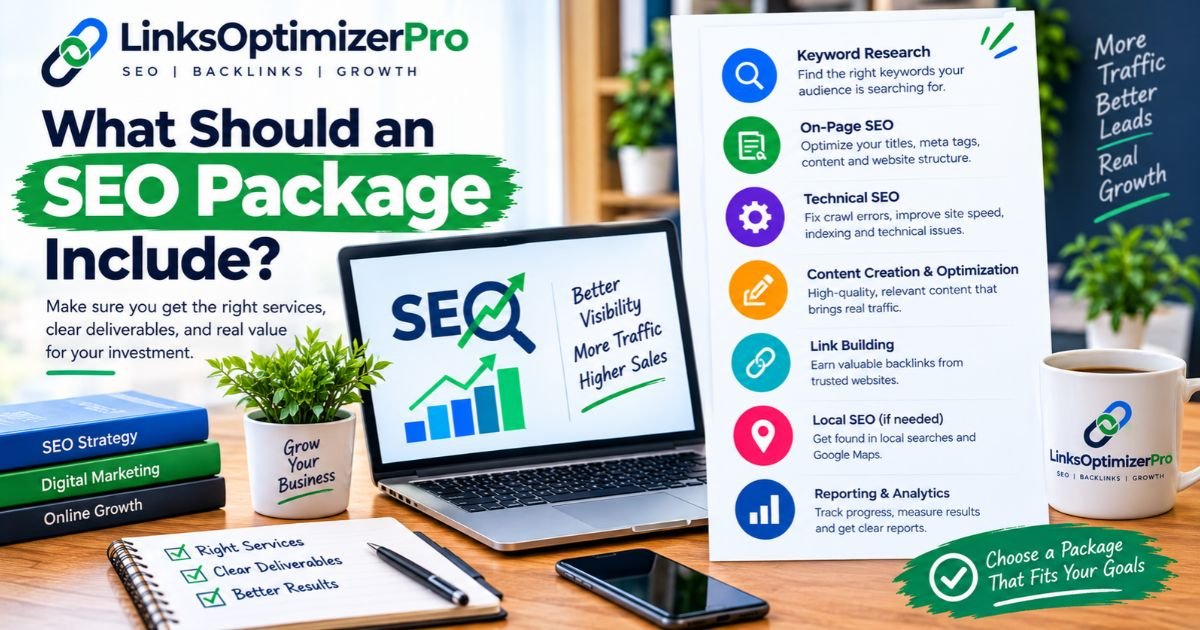
An SEO package should reflect your website’s current condition and business objectives. There is no universal package that works equally well for every company.
A useful proposal may include the following:
| Service | Purpose |
| Initial SEO audit | Identify technical and content issues |
| Keyword research | Understand relevant searches and user intent |
| On-page optimization | Improve existing pages and their structure |
| Technical SEO | Address crawling, indexing, and site issues |
| Content planning | Identify useful content opportunities |
| Link building | Develop relevant, legitimate backlink opportunities |
| Performance reporting | Measure progress and identify next steps |
Ask which tasks are included in the price and which require additional fees. Also clarify whether the provider will implement changes or simply give your team recommendations.
If you use WordPress, confirm whether the provider has experience with your theme, plugins, page builder, and website setup.
How Much Do Professional SEO Services Cost?
The cost of professional SEO services depends on the project’s complexity, the provider’s experience, the amount of work required, and the competitiveness of the target market.
Common pricing arrangements include:
- Monthly retainers: Ongoing SEO work for businesses that need continuing optimization and reporting.
- Fixed-price projects: A defined service, such as a technical SEO audit or website migration review.
- Hourly consulting: Expert advice or assistance with specific problems.
- Custom packages: A combination of services tailored to the website’s requirements.
Rather than choosing the cheapest offer automatically, compare the deliverables, expertise, communication, and expected business value.
Ask whether content production, development work, digital PR, and link acquisition are included. A low initial price may not represent the total cost if important tasks are billed separately.
There is no reliable universal price that guarantees successful SEO. Request proposals based on your actual needs and budget.
SEO Agency vs. Freelancer: Which Is Better?
Both options can work well. The right choice depends on how much support your business requires.
| Factor | SEO Agency | Independent Consultant |
| Team resources | May provide several specialists | Depends on individual expertise |
| Communication | May involve an account manager | Often direct |
| Service range | Can cover multiple SEO disciplines | May specialize in selected areas |
| Budget | Depends on team and scope | Depends on expertise and availability |
| Best suited for | Businesses needing coordinated ongoing work | Businesses needing focused expertise or flexible support |
An agency may be suitable if you need technical SEO, content, and link building managed together. A consultant may be a better fit if you already have an internal team and need strategic direction.
Evaluate the actual people who will work on your website rather than making a decision based on the provider’s size alone.
How to Measure SEO Performance
Set clear objectives before work begins so you can assess whether the strategy is helping your business.
Start by documenting current organic search performance and any existing conversion data. Then agree on which metrics are relevant to your goals.
For example, an ecommerce website might track organic revenue and product-page conversions. A local service company might focus on qualified leads and calls, while a publisher may prioritize relevant organic visits and engaged readership.
Use Google Search Console to review search impressions, clicks, and queries. Use Google Analytics 4 or another suitable analytics system to measure website actions and conversions.
SEO results can take time, and changes do not produce the same outcome for every website. Google’s SEO Starter Guide explains the fundamentals and notes that the effects of changes can vary.
Evaluate trends over an appropriate period rather than judging a provider solely on a short-term ranking fluctuation.
SEO Agency Red Flags to Avoid
Choosing the wrong SEO service provider can waste money and introduce avoidable risks. Pay attention to these warning signs:
- Guaranteed rankings: No provider can guarantee a specific Google ranking.
- Unclear deliverables: The agency cannot explain what it will actually do.
- Unrealistic timelines: It promises immediate, lasting results without assessing your website.
- Questionable link building: It relies on manipulative link schemes or irrelevant backlinks.
- No meaningful reporting: It cannot explain its work or connect results to your goals.
- Lack of transparency: It refuses to explain major changes to your website.
- Unnecessary access requests: It asks for credentials or permissions without a clear reason.
Before granting access, establish the minimum permissions needed for the work. Keep ownership of your domain, website, analytics, and business accounts. Review important changes before they are implemented, especially if they affect your website’s structure or existing content.
For further guidance, see Google’s recommendations on third-party SEO tools and services.
Expert Tip: Start With a Clear SEO Baseline
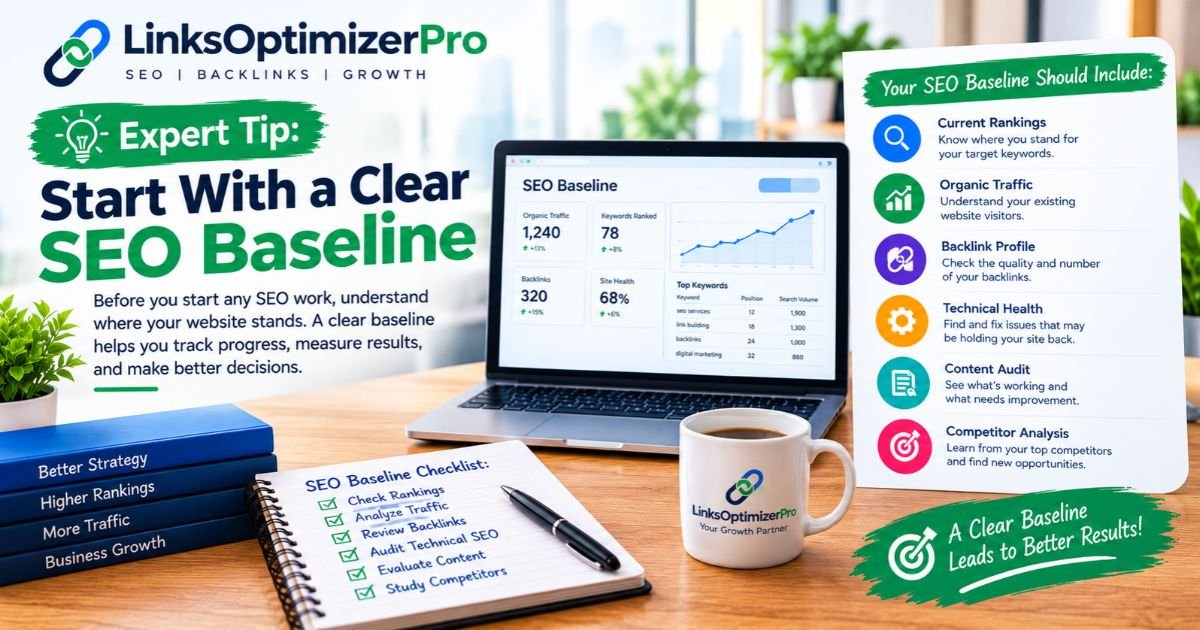
Before hiring an SEO agency, record your website’s existing performance. Save relevant Search Console data, identify your main service pages, and note the conversions you want to improve.
This baseline makes it easier to evaluate future progress and understand which changes may have contributed to improvements or setbacks.
You do not need to understand every technical detail. However, you should be able to ask informed questions, understand the proposed work, and retain control of your website.
Frequently Asked Questions
1. How do I choose the right SEO service provider?
Review relevant experience, case studies, proposed deliverables, communication, and reporting. Choose a provider that understands your business goals and explains its methods without promising guaranteed rankings.
2. How much should a small business pay for SEO?
Costs vary according to the scope of work, website condition, market, and provider. Request detailed proposals and compare included services rather than selecting an SEO package based on price alone.
3. How long does SEO take to produce results?
There is no fixed timeline. Some changes may be reflected relatively quickly, while meaningful improvements can take months or longer. The outcome depends on the website, competition, changes made, and other factors.
4. Are affordable SEO services worth buying?
They can be worthwhile if the work is relevant, transparent, and appropriate for your needs. Check the deliverables carefully and avoid offers built around guaranteed rankings, low-quality links, or unrealistic promises.
5. How can I measure the success of SEO services?
Track relevant organic clicks, impressions, landing-page performance, leads, sales, and conversions. Use tools such as Google Search Console and Google Analytics 4, and evaluate performance against your original objectives.
Conclusion
Choosing SEO services is about finding a provider that understands your business, sets realistic expectations, and can explain how its work supports your objectives.
Compare agencies and consultants on their expertise, strategy, deliverables, reporting, and ethical practices. Establish clear expectations before signing a contract, and review progress using relevant business metrics.
The best SEO service is not necessarily the largest or cheapest package. It is the one that addresses your website’s actual needs and helps you make informed, measurable improvements over time.
1 thought on “How to Choose SEO Services for Your Business: A Practical Guide”